Innovation and Design for Circular Practices
Promote innovation and design thinking to enhance circular practices. Collaborate with industries to incorporate circular principles into product design and manufacturing.

Atmosphere Insights Solutions LLP strives to be a catalyst for positive environmental, social, and economic change, working towards a more sustainable and resilient future for all.




The goal of ecology is to understand how organisms interact with each other and their environment organisms interact.
Ecologists use a variety of methods, such as field observations, experiments, and modeling, to study the complex.
Ecology is a crucial field of study, as it helps us understand the impact of human activities on the environment organisms.

Strategize waste management to reduce resource depletion and environmental impact.
Explore sustainable waste-to-energy solutions and innovative technologies for a greener future.
Unlock new business opportunities by turning waste into valuable resources.
Showcase the potential for a green economy built on sustainable waste management principles.
Witness the transformative impact of circular economy practices in action. Our initiatives showcase sustainable communities, innovative businesses, and a circular approach that fosters environmental stewardship.
Ecologists use a variety of methods, such as field observations
Variety of methods, such as field observations, experiments


Promote innovation and design thinking to enhance circular practices. Collaborate with industries to incorporate circular principles into product design and manufacturing.
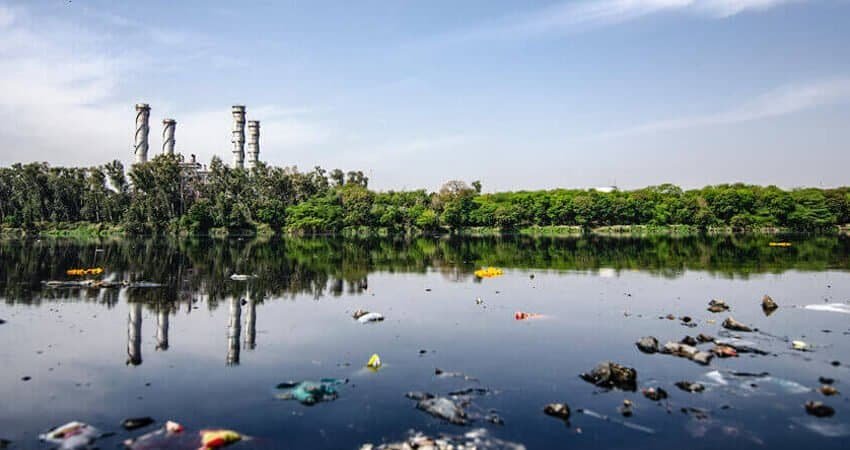
Advocate for waste reduction at individual, community, and industry levels. Raise awareness about the importance of responsible waste disposal and consumption habits.

Build resilience to economic and environmental shocks through circular practices. Demonstrate the role of circular economy principles in creating a more sustainable and robust society.